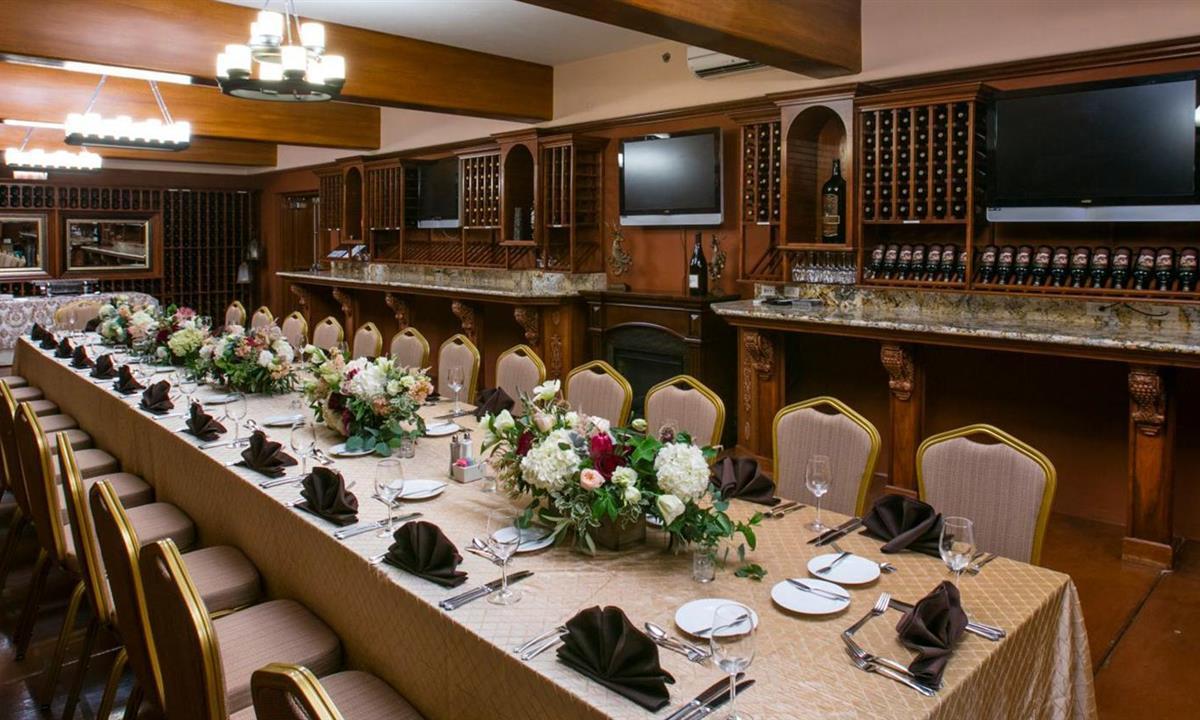
15 Corporate Retreat Planning Ideas for 2026
Sep 22, 2026
A successful corporate retreat starts with a clear purpose: what should your team understand, decide, or accomplish together? For your 2026 retreat, build around that goal with focused working sessions, shared meals, and enough downtime for conversations to unfold naturally.
These 15 corporate retreat planning ideas cover venue selection, budgets, activities, accessibility, and logistics, with sample agendas to help you shape the schedule. For teams considering Temecula wine country, South Coast Winery Resort & Spa offers indoor and outdoor meeting spaces in a vineyard setting, with planning services to help bring the details together (South Coast Winery meetings).
Key Takeaways
-
Start with the outcome. Define what the retreat should achieve before choosing a venue or activities.
-
Evaluate the whole stay. Compare meeting space, lodging, meals, accessibility, transportation, and weather alternatives.
-
Leave room to connect. Balance work with breaks and optional experiences that accommodate different interests and comfort levels.
-
Budget for the complete event. Request an itemized proposal covering inclusions, optional services, taxes, and fees.
-
Plan beyond departure. Give decisions clear owners and deadlines, then schedule a follow-up to review progress.
Quick Answer: What Makes a Corporate Retreat Successful?
A successful corporate retreat gives the team a clear purpose, time to work through shared priorities, and opportunities to connect comfortably. Choose a venue that supports the agenda and attendees’ needs, allow for breaks and unexpected changes, and finish with specific decisions, next steps, and people responsible for carrying them forward.
How to Use This 2026 Corporate Retreat Ideas List
Use the 15 recommendations in planning order, adjusting each to your group size, budget, travel needs, and company culture. A local team meeting for one day will need a different schedule and level of coordination than a distributed team staying overnight. Bring the relevant questions and sample agendas to your venue discussions to clarify what your retreat will require.
1. Define the Retreat Objective Before Choosing a Venue
Choose one primary outcome and no more than two supporting goals to keep the retreat manageable. Be specific about what your team should leave with: agreement on next quarter’s priorities, stronger relationships across departments, or time to reconnect after a demanding business cycle.
Sample success measures include:
-
Strategic alignment: Three documented decisions with owners and timelines.
-
Team connection: Cross-departmental partners assigned to a shared project, with follow-up meetings scheduled.
-
Leadership development: Agreed working principles and individual action plans.
-
Recognition: Team contributions acknowledged through specific stories and personal appreciation.
-
Recovery: Protected downtime, with attendee feedback on whether the pace felt restorative.
Share these priorities with the South Coast Winery events team when requesting a proposal. Explain which sessions need privacy, where informal conversation fits, and how much free time you want to preserve. That gives the team a practical starting point for discussing spaces, meals, and pacing.
2. Match the Retreat Format to Your Team and Goals
Choose a format that gives your team enough time to accomplish its purpose while respecting travel demands and time away from home. A local department may need one focused day; colleagues arriving from different regions may benefit from an overnight stay with a lighter arrival schedule.
Use these suggested durations as starting points:
| Format | Suggested Duration | Useful For | Venue Priorities |
|---|---|---|---|
| One-day offsite | 6–8 hours | Local planning or training | Meeting room, meals, convenient arrivals |
| Focused sprint | 1–2 days | Resolving one defined challenge | Breakout space, working materials |
| Department retreat | 1–2 days | Team goals and workflows | Flexible seating, informal gathering areas |
| Leadership retreat | 2–3 days | Strategy and sensitive discussions | Privacy, quiet working space |
| Company gathering | 2–3 days | Cross-team connection and recognition | Group lodging, larger meeting and dining spaces |
| Extended strategy retreat | 3–4 days | Several connected workstreams | Varied meeting spaces, lodging, downtime |
Before choosing an overnight format, ask about travel constraints, caregiving responsibilities, and accommodation needs. For a larger gathering, allow additional time for arrivals, meal service, and movement between sessions. Keep the schedule proportionate to the work you need to complete.
3. Choose a Venue That Can Support the Full Experience
Evaluate how the venue will handle a full retreat day, from breakfast through the final session. Having meetings, lodging, and dining on one property can simplify coordination, but the proposed spaces still need to suit your group.
Ask each venue the questions below, and include an accessibility review of arrival routes, room layouts, restrooms, and communication needs (U.S. Department of Justice accessible meeting guidance):
-
Meeting space: Can the rooms accommodate your seating layout, breakout groups, and confidential discussions?
-
Lodging and access: How many rooms can you reserve, and what are the distances and accessible routes between spaces?
-
Dining: Can meal service fit your schedule and attendees’ dietary needs?
-
Technology: What AV equipment, internet service, and technical support are included?
-
Privacy and backup plans: Which areas are shared, and what indoor alternatives can be reserved?
South Coast Winery offers more than 40,000 square feet of indoor and outdoor event space, including the Grand Ballroom and smaller spaces such as the Carter Reserve Room. Its on-site accommodations and The Vineyard Rose Restaurant give planners options for bringing work, meals, and overnight stays together (South Coast Winery event spaces).
Request a proposal naming the rooms, layouts, meal arrangements, and services available for your dates. Total event-space square footage alone does not establish whether a venue fits your agenda.
4. Select a Setting That Supports Focus and Connection
Choose surroundings that suit how your team will spend its time. Compare the practical trade-offs alongside the atmosphere:
-
Urban: Consider proximity to attendees and transport hubs, along with noise and privacy.
-
Coastal: Look for opportunities to enjoy the waterfront, with sheltered alternatives for outdoor sessions.
-
Resort: Check how meeting rooms, lodging, dining, and recreation fit together.
-
Rural or wine country: Weigh the appeal of open scenery against transfer times and access to off-site services.
Give your team time to build relationships and work through shared priorities wherever you gather. In Atlassian’s internal research, employees reported stronger team connection after in-person gatherings that combined relationship building with shared project work (Atlassian team-gathering research).
At South Coast Winery, vineyard surroundings and indoor and outdoor event spaces offer options for working sessions and relaxed gatherings (South Coast Winery event spaces). Ask which outdoor areas suit your agenda, confirm weather alternatives, and arrange transportation around any off-site activities. Keep wine tasting optional so everyone can enjoy the setting comfortably.
5. Build a Balanced Corporate Retreat Agenda
Schedule the sessions that require the most concentration when attendees have had time to arrive, settle in, and rest. Give each working block a clear purpose, and leave space between sessions for refreshments, movement, and informal conversation.
In a small Microsoft study of video meetings, participants who took meditation breaks between calls showed less buildup of stress-related brain activity than those attending back-to-back meetings (Microsoft meeting-break research).
For your retreat, use these practical starting points:
-
Working sessions: Allow 60–90 minutes for a defined topic, adjusting for the task and participants.
-
Breaks: Reserve 10–15 minutes between sessions, with extra time when changing locations.
-
Meals: Give people enough time to eat comfortably without requiring continuous work.
-
Arrival day: Keep the first session light if colleagues have traveled.
-
Closing: Protect time to record decisions, assign owners, and agree on next steps.
For an overnight retreat, include personal time before dinner and make evening activities optional. Share the draft schedule with the venue so room changes, meal service, and departure arrangements fit comfortably.
6. Add Team Activities That Fit the Company Culture
Choose activities your colleagues can enjoy comfortably and that serve the retreat’s purpose. A shared creative project might suit a team seeking fresh ideas, while an unhurried meal can give new colleagues space to get acquainted.
Consider these options when planning:
-
Low-pressure connection: Paired conversations or small-group discussions over coffee.
-
Creative experiences: Collaborative sketching or designing a team emblem.
-
Wellness: An optional guided stretch, yoga session, or quiet break.
-
Outdoor activities: A photo walk along a suitable route or casual lawn games.
-
Culinary experiences: A shared meal or a cooking demonstration arranged with a provider.
-
Problem-solving: A facilitated exercise built around a real team challenge.
South Coast Winery lists wine tastings, private tours, and team-building options on its meetings page (South Coast Winery event spaces). Visit Temecula Valley also identifies the resort as an option for corporate group yoga (Visit Temecula Valley team building). Ask the events team about current formats, group limits, accessibility, and pricing.
Offer an equally welcoming alternative to activities involving alcohol or physical exertion, and let attendees choose without having to explain personal preferences.
7. Plan Food, Beverage, and Dietary Needs Early
Build meal service into the schedule from the start, including arrival refreshments, working lunches, breaks, and dinner. Leave at least one meal free of presentations so colleagues can settle into conversation.
Before confirming catering:
-
Collect allergies, dietary restrictions, and religious food requirements privately.
-
Review suitable menus with the catering team, including ingredient labeling and how allergy-related requests will be handled.
-
Offer appealing nonalcoholic drinks alongside any wine service.
-
Confirm serving times, final headcount deadlines, and charges for changes.
-
Clarify which meals, beverages, staffing, and service fees are included in the proposal.
The Vineyard Rose Restaurant serves contemporary California cuisine and accepts inquiries for its semi-private dining room (The Vineyard Rose Restaurant). Discuss whether restaurant dining or separately arranged event catering better suits your group’s size, schedule, and privacy needs.
If wine is part of dinner or a reception, agree on service arrangements with the venue and coordinate transportation for anyone leaving the property afterward.
8. Create an Inclusive and Accessible Retreat Plan
Ask attendees privately what would help them participate comfortably before finalizing rooms, travel, and activities. Provide a named contact for requests, and ask about practical arrangements without requiring people to share diagnoses or personal circumstances.
Review the full experience with your venue and transportation providers:
-
Arrival and movement: Accessible parking, drop-off points, transport, and routes between lodging, meetings, meals, and restrooms.
-
Meeting participation: Suitable seating, microphones, captioning or other communication support, and accessible presentation materials.
-
Personal needs: Time and appropriate spaces for rest, prayer, medication routines, or lactation, along with flexibility for caregiving commitments.
-
Activities and emergencies: Adaptable participation options and clear evacuation arrangements.
Accessible meetings depend on the location, room layout, and how information is communicated—not simply whether someone can enter the building (U.S. Department of Justice accessible meeting guidance).
Before contracting with South Coast Winery, confirm the specific accommodations your attendees need with the events team. Include agreed arrangements in the event plan and explain to each person how their request will be handled.
9. Set a Corporate Retreat Budget for 2026
Build your budget around group size, retreat length, travel requirements, and written proposals. Compare dates and formats using the same list of expenses so you can see what each option includes.
Use this worksheet to organize estimates. Calculate each category’s share by dividing its cost by the total planned budget and multiplying by 100.
| Budget Category | What to Include | Estimated Cost | Share of Total |
|---|---|---|---|
| Venue and lodging | Meeting rooms, guest rooms, setup and room resets | - | - |
| Food and beverage | Meals, refreshments, beverage service | - | - |
| Transportation | Airfare, transfers, parking, local travel | - | - |
| Activities and staffing | Experiences, facilitators, event support | - | - |
| Technology and access | AV, internet, captioning, accommodation services | - | - |
| Taxes and fees | Applicable taxes, service charges, gratuities, resort fees | - | - |
| Contingency | Reserve agreed with your planner for unexpected costs | - | - |
Count each charge once, including fees already bundled into a quote. Set the contingency amount after reviewing cancellation terms, attendance uncertainty, and other likely changes.
Ask South Coast Winery for an itemized proposal separating included services from optional additions. Confirm deposit dates, minimum spending commitments, room-block obligations, and final-count deadlines before approving the budget.
10. Plan Transportation and Arrival Logistics
Compare flight schedules and ground transfers together before choosing an arrival airport. Options serving Temecula include Ontario International (ONT), San Diego International (SAN), and John Wayne Airport (SNA) (Visit Temecula Valley nearby airports). Check expected driving times for your arrival window and allow room for baggage collection and traffic.
For shared transfers, group attendees into practical pickup windows. Local transportation options include airport transfers and vehicles such as sprinter vans and buses; confirm passenger capacity, luggage space, and accessibility directly with the provider (Visit Temecula Valley transportation).
Give attendees one clear arrival brief covering:
-
Pickup location, departure time, and transport contact.
-
Venue entrance, parking instructions, and any charges.
-
Luggage arrangements if rooms are not ready.
-
The first required session and the procedure for reporting delays.
-
Return-transfer details and departure-day timing.
Appoint one logistics lead to coordinate changes. For scheduled group departures, reserve transportation in advance instead of depending entirely on individual rideshare requests. Confirm drop-off and luggage arrangements with South Coast Winery so guests have time to settle in before the retreat begins.
11. Build a Weather and Backup Plan
Give every outdoor meal, session, or activity a workable alternative before confirming the agenda. An indoor option should accommodate your group’s layout, access needs, catering, and technology.
Agree with South Coast Winery on:
-
Backup space: Which room is reserved, when it becomes available, and any additional charges.
-
Decision timing: Who monitors conditions, who approves a change, and the deadline for moving indoors.
-
Guest communication: How attendees and vendors will receive revised locations or times.
-
Disruption procedures: What happens if heat, rain, wind, wildfire, or road closures affect the event, including cancellation or rescheduling terms.
Check local forecasts and alerts as the retreat approaches. For outdoor activities, also review AirNow’s air-quality information and activity guidance, which account for differing levels of health concern (AirNow AQI guidance).
Keep the alternative connected to the original purpose: a planned outdoor team conversation can become a seated discussion indoors, while a vineyard dinner can move to a reserved indoor dining space. Confirm the arrangements in writing so everyone knows how the revised schedule will work.
12. Design Pre-Retreat Communications
Send a save-the-date once the retreat dates are confirmed, then provide one central attendee guide as arrangements take shape. Keep the latest schedule, travel details, and contact information together so colleagues can find what they need easily.
Include:
-
The retreat’s purpose and any preparation required.
-
Session times, clearly labeled as required, optional, or personal time.
-
Meal arrangements and a private way to submit dietary or accommodation requests.
-
Clothing and footwear suggestions for the planned activities.
-
Arrival instructions, emergency contacts, and how schedule changes will be announced.
Providing an agenda in advance helps attendees follow the program and arrange transportation around its start and finish times (U.S. Department of Justice accessible meeting guidance).
Use welcoming, specific language: explain what colleagues can expect, how to ask questions, and when responses are needed. If alcohol will be served, include your company’s conduct expectations and the available transportation arrangements. Send a brief final reminder highlighting anything that has changed.
13. Assign Roles and Manage the Day of the Retreat
Name one event lead and one primary venue contact so questions reach the right person quickly. Assign responsibility for facilitation, transportation, technology, and emergency coordination, with an executive sponsor available for decisions about priorities or spending.
For a smaller retreat, one person may cover several roles. Arrange backup during sessions they need to attend or lead.
Create a shared run sheet that records:
-
Each session’s time, location, and owner.
-
Arrival windows, meal service, and room-reset times.
-
AV checks and who will resolve technical issues.
-
Activity transitions and backup arrangements.
-
Who approves schedule changes and notifies attendees.
-
Who captures decisions and distributes action items.
Review the run sheet with South Coast Winery before arrival, then complete a final walk-through of the agreed spaces. Confirm room layouts, signs, equipment, and contact details so the team can settle into the day with fewer interruptions.
14. Measure Retreat Outcomes and Follow Up
Review the retreat against the goals you set before booking. If the purpose was strategic alignment, check whether decisions have owners and deadlines. For team connection, repeat a few questions asked before the gathering to see how attendees’ responses changed.
Send a short survey within a few days:
-
What did we accomplish toward the retreat’s main objective?
-
Was the balance of working sessions, activities, and downtime appropriate?
-
Could you participate comfortably, and what would have helped?
-
How well did the venue, meals, and transportation support your experience?
-
What should we carry forward or change next time?
Share the decisions and action list promptly, then schedule a 30-day review of progress, obstacles, and remaining commitments. Compare participant feedback with completed work to understand both the experience and its practical results.
Debrief with the South Coast Winery events team on service, timing, room arrangements, and guest feedback. Record what worked while the details are fresh to make the next gathering easier to plan.
15. Use a Corporate Retreat Planning Checklist
Work backward from your retreat date and assign an owner to each task. Use this suggested timeline for a larger or overnight gathering; adapt it for shorter planning windows while keeping venue and vendor deadlines visible.
| When | Planning Priorities |
|---|---|
| 6–9 months before, where possible | Define goals, estimate attendance, approve a budget, compare venues, review contracts, and confirm dates. |
| About 3 months before | Develop the agenda; arrange room blocks, transportation, facilitators, and activities; collect accommodation requests. |
| About 1 month before | Review menus, room layouts, AV, accessibility arrangements, and weather alternatives. Share the attendee guide. |
| Final week | Reconfirm counts against contract deadlines, check arrivals and forecasts, and review the run sheet with vendors. |
| Arrival and event day | Check spaces and equipment, welcome attendees, communicate changes, and capture decisions. |
| After the retreat | Gather feedback, reconcile costs, distribute action items, and hold the scheduled progress review. |
When requesting a 2026 South Coast Winery proposal, include your preferred dates, estimated attendance, overnight room needs, and retreat goals. Share any fixed deadlines early so the events team can help establish a workable planning schedule.
Sample 2026 Corporate Retreat Itineraries
Use these sample schedules to discuss timing with your venue. At South Coast Winery, confirm spaces, meals, lodging, and activities for your dates before sharing the final itinerary.
One-Day Retreat for a Local Team
| Time | Activity |
|---|---|
| 8:30–9 a.m. | Arrival, coffee, and light breakfast |
| 9–10:15 a.m. | Opening objectives and first working session |
| 10:15–10:30 a.m. | Break |
| 10:30 a.m.–noon | Small-group work on a defined challenge |
| Noon–1 p.m. | Lunch |
| 1–2:15 p.m. | Share findings and agree on decisions |
| 2:15–2:30 p.m. | Break |
| 2:30–3:15 p.m. | Optional team activity or personal time |
| 3:15–3:30 p.m. | Transition back to the meeting room |
| 3:30–4 p.m. | Commitments, next steps, and departure |
Two-Day, One-Night Retreat
Day 1: Arrive between noon and 1 p.m. for lunch and a welcome. Hold an alignment session from 1:30–2:45 p.m., followed by a break and an optional team experience from 3–4 p.m. Leave time for check-in and relaxation before dinner at 6 p.m.
Day 2: Gather for breakfast at 8 a.m. Begin focused work at 9 a.m., pause at 10:15 a.m., and continue with breakouts until noon. After lunch, use 1–2 p.m. to finalize decisions, then confirm owners and deadlines before departures at 2:30 p.m. Arrange checkout and luggage storage around the morning sessions.
Leadership Retreat Variation
Adapt the overnight schedule by replacing the first afternoon’s activity with confidential discussions or one-on-ones. Reserve the second morning for strategic choices and trade-offs, allowing a break between topics. Close with a short decision record identifying what leaders will communicate, to whom, and by when.
Corporate Retreat Venue Comparison Checklist
Compare written proposals against the same requirements. Mark each item confirmed, needs clarification, or does not meet our needs, and note any additional cost.
| Approximate Time | Suggested Plane |
|---|---|
| 9:30–10:30 a.m. | Have breakfast and meet your driver, allowing time to reach the first winery. |
| 11 a.m.–12:15 p.m. | Begin with a tasting at Carter Estate. Confirm the available experience and its duration when planning your visit. |
| 12:15–1 p.m. | Leave time for purchases, pickup, and the transfer to lunch. |
| 1–2:15 p.m. | Reserve lunch at The Vineyard Rose at South Coast Winery Resort & Spa. |
| 2:15–3 p.m. | Travel to your second winery and allow time to arrive comfortably. |
| 3–4 p.m. | Enjoy a contrasting tasting experience selected around your group’s interests. |
| After 4 p.m. | Return with your driver to your lodging or begin your arranged journey home. |
|
Requirement |
Evidence to request |
|---|---|
|
Space and privacy |
Named rooms, seating layouts, breakout arrangements, and shared areas |
|
Overnight stay |
Available room block, room types, and booking deadlines |
|
Meals and activities |
Proposed menus, dietary arrangements, activity formats, and group limits |
|
Accessibility |
Confirmation of attendee-specific accommodations across the full itinerary |
|
Technology and support |
Equipment, internet provision, staffing, and designated contacts |
|
Transportation and weather |
Transfer arrangements, reserved backup spaces, and change procedures |
|
Total commitment |
Itemized cost, minimum spends, deposits, and cancellation terms |
Identify your nonnegotiable requirements before comparing optional extras. An attractive setting should complement the practical arrangements your team needs.
For South Coast Winery, use the proposal to confirm how meeting spaces, accommodations, dining, and selected experiences will fit together on your dates. Resolve outstanding questions before signing.
Frequently Asked Questions About Corporate Retreat Planning
How far in advance should a company plan a corporate retreat in 2026?
For a larger or overnight gathering, use six to nine months as a planning starting point where possible. A smaller local retreat may need less time. Check venue availability early and build your schedule around contract deadlines and attendee travel needs.
How much does a corporate retreat cost?
The total depends on attendance, duration, travel, lodging, meals, and programming. Request itemized quotes, include taxes and fees, and divide the complete budget by attendee count to estimate cost per person.
How long should a corporate retreat last?
Choose one day for a focused local meeting or consider two days with an overnight stay when travel and relationship building need more room. Extend the schedule only when the objectives justify additional time.
What should be included in a corporate retreat agenda?
Include a clear opening objective, focused working sessions, meals, breaks, and time to connect. Finish with documented decisions, assigned responsibilities, and a follow-up date.
What activities work best for a mixed-comfort team?
Offer choices such as small-group conversations, creative projects, shared meals, and adaptable movement activities. Explain what each involves and let attendees choose without pressure to drink alcohol, compete, or disclose personal circumstances.
How do companies plan an inclusive corporate retreat?
Collect accommodation requests privately, then confirm access, room arrangements, communication support, meals, and activity options. Share the agenda in advance and provide a named contact for questions (U.S. Department of Justice accessible meeting guidance).
What should planners ask a corporate retreat venue?
Ask which spaces and services are reserved for your group, what remains shared, and how the venue handles accessibility, technology, meals, and weather changes. Confirm all charges and responsibilities in writing.
Is a winery a good venue for a corporate retreat?
A winery can suit teams seeking vineyard surroundings and optional wine experiences. Evaluate its meeting facilities, lodging, dining, transportation, and alcohol-free activities against your group’s needs.
How can companies plan responsible alcohol service?
Coordinate service with the venue, communicate company expectations, offer appealing nonalcoholic choices, and arrange transportation for attendees who will be drinking. Keep participation in tastings optional.
What should be included in a corporate retreat proposal?
Request dates, named event spaces, room blocks, meal plans, activities, AV, staffing, and accessibility arrangements. The proposal should also specify backup spaces, inclusions, optional charges, taxes, fees, payment deadlines, and cancellation terms.
Bring Your Team Together at South Coast Winery in 2026
Give your next gathering room for focused work, shared meals, and unhurried conversation in Temecula wine country. South Coast Winery Resort & Spa brings meeting spaces, overnight accommodations, and dining together in a vineyard setting (South Coast Winery event spaces).
To begin planning, share your preferred dates, group size, retreat goals, room needs, and budget range, along with dietary and accessibility requirements. Request your 2026 corporate retreat proposal and work with the events team to shape a stay that suits your colleagues.
Availability, capacities, menus, pricing, packages, policies, and activities may change; confirm the details for your dates with the events team.
Latest Articles
Resort Information, Gatherings
15 Corporate Retreat Planning Ideas for 2026
For your 2026 retreat, build around that goal with focused working sessions, shared meals, and enough downtime for conversations to unfold naturally.

Resort Information, Activities
How to Plan a Romantic Temecula Wine Tasting for Couples
Plan a romantic Temecula wine-tasting trip by limiting the number of stops, reserving the experiences that matter most and arranging transportation before the first pour.

Resort Information, Activities
15 Most Romantic Weekend Getaways from Los Angeles in 2026
Romantic weekend getaways from Los Angeles range from wine tasting in Temecula and oceanfront evenings in Santa Barbara to quiet Ojai retreats and mountain cabins in Idyllwild.
Resort Information, Gatherings
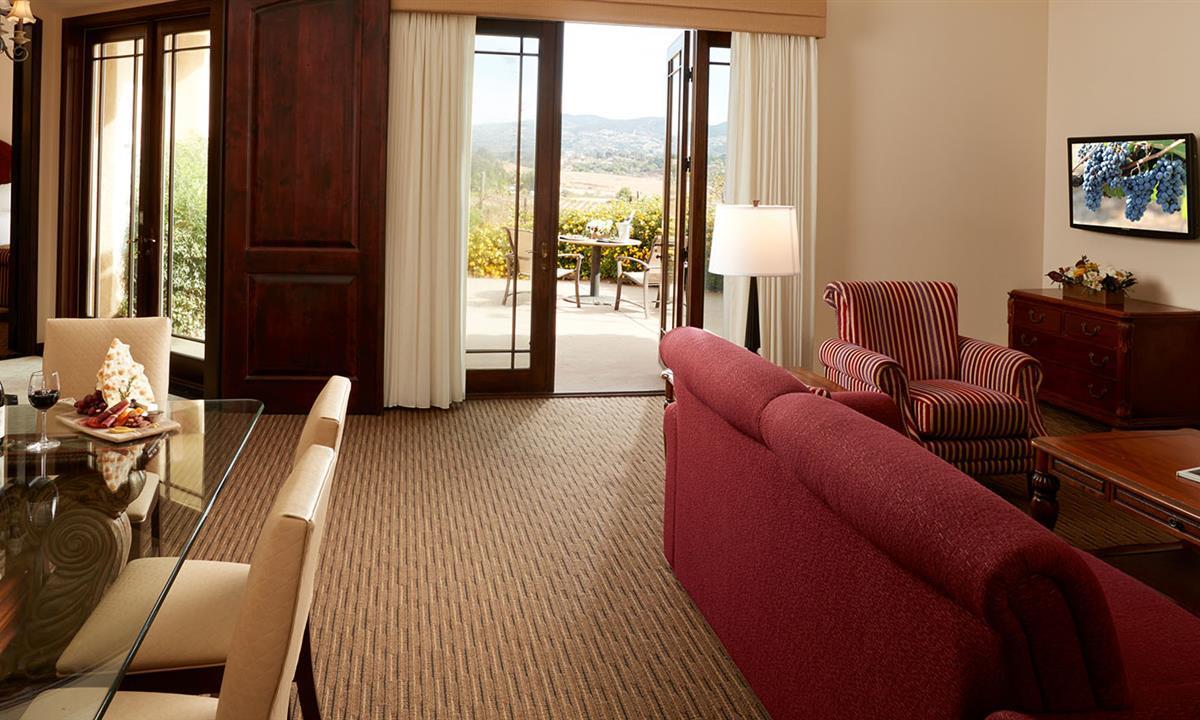
South Coast Winery FAQ: Reservations, Prices, Policies, Tips
Planning a visit to South Coast Winery Resort & Spa? Start with the experiences you want to enjoy, then arrange dining, spa appointments, and overnight accommodations around them.
Resort Information, Gatherings, Activities
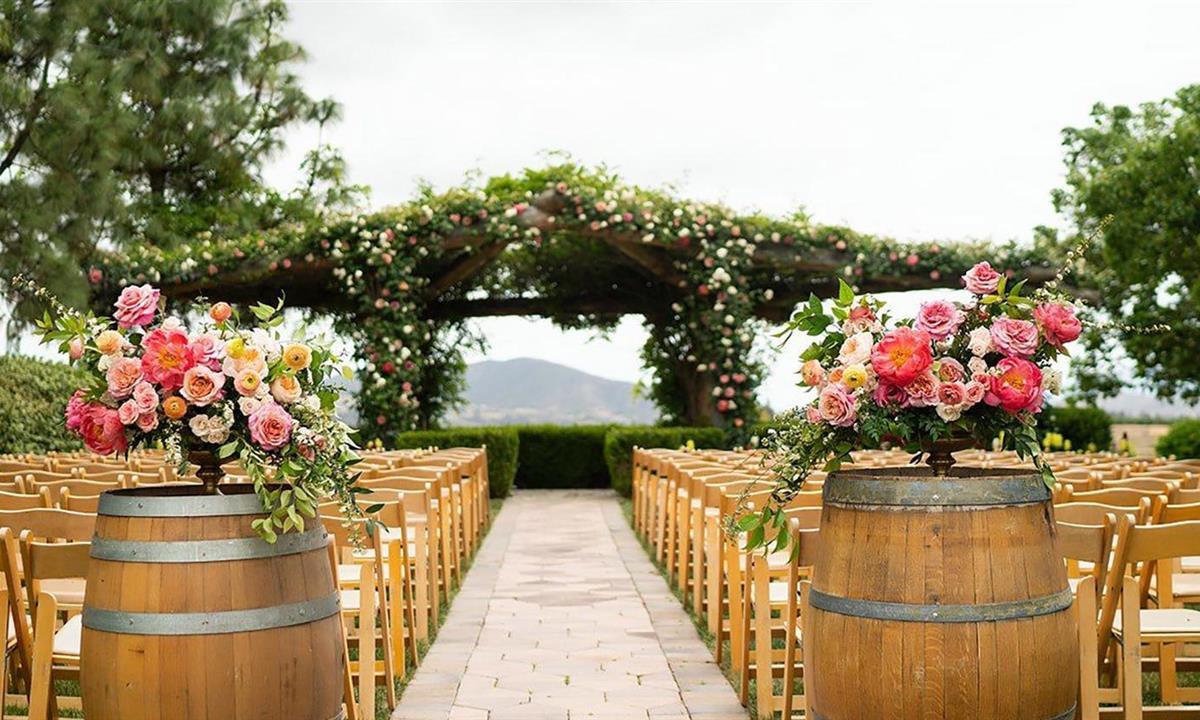
How to Budget for a 100 Person Winery Wedding in Temecula
For a 100-person winery wedding in Temecula in 2026, a practical working budget is approximately $35,000 to $45,000. This is a planning range rather than a fixed local average.
Resort Information, Gatherings, Activities
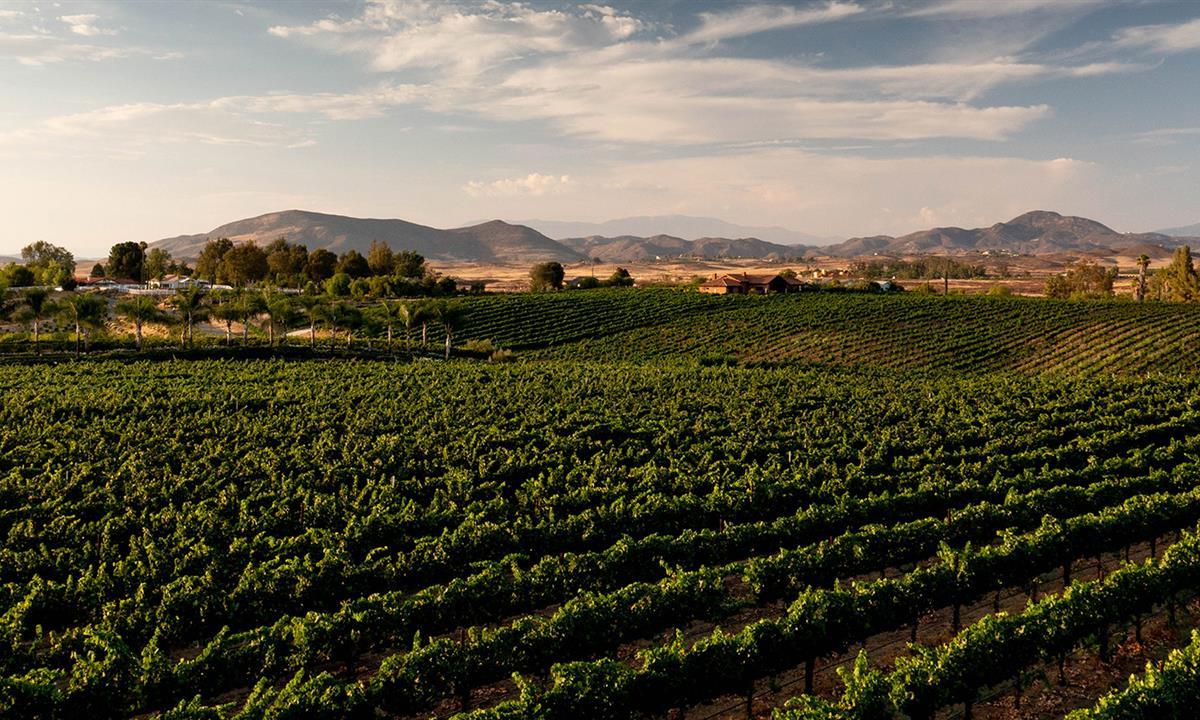
15 Best Wine Country Corporate Retreat Venues in SoCal 2026
Southern California wine country gives teams space to focus without separating productive work from the experiences that make an offsite memorable.

Resort Information, Activities
Ultimate Temecula Valley Travel Guide 2026: Plan, Sip, Stay
Temecula Valley offers an easygoing wine country escape within reach of Southern California’s major cities.

Resort Information, Activities
The Ultimate Guide to Romantic Getaways in Temecula Wine Country for 2026
The best romantic getaway in Temecula pairs a comfortable vineyard stay with enough unhurried time to enjoy it.