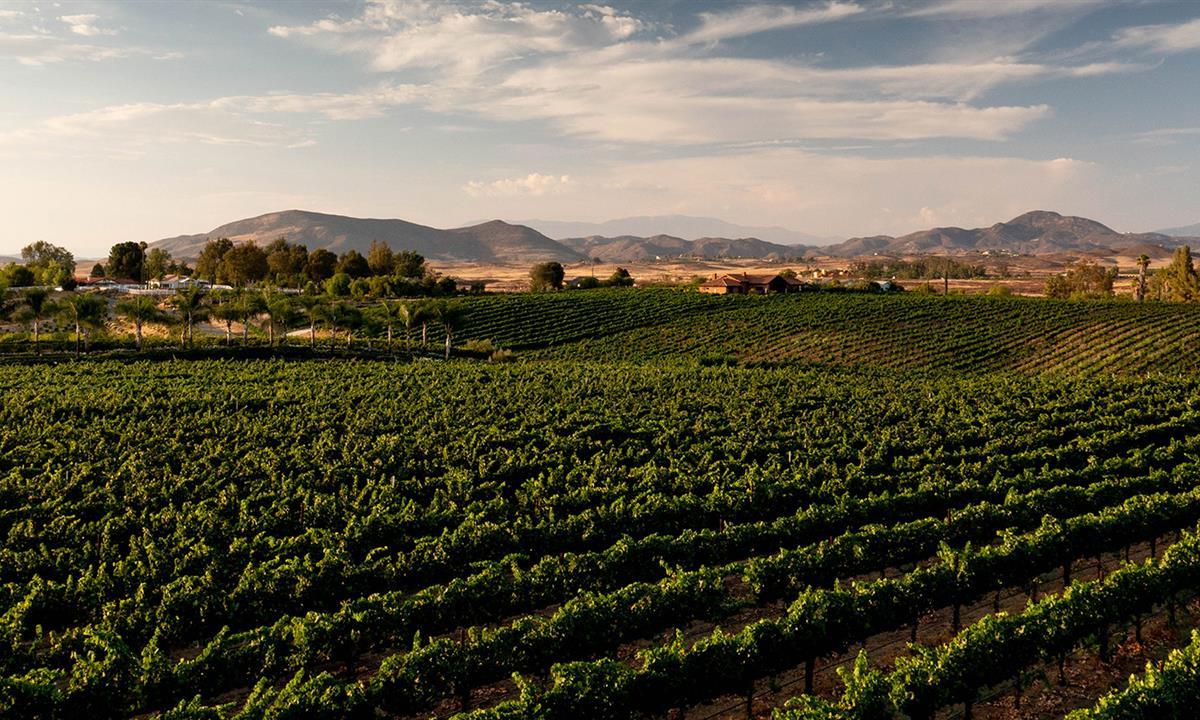
15 Best Wine Country Corporate Retreat Venues in SoCal 2026
Sep 2, 2026
Southern California wine country gives teams space to focus without separating productive work from the experiences that make an offsite memorable. Full-service winery resorts, boutique properties, private estates and larger meeting destinations serve everything from executive strategy sessions to multi-day company gatherings.
Not every vineyard venue offers the same retreat model. Some combine accommodations, meeting rooms, dining and activities on one property, while others require separate lodging or transportation. This guide compares 15 Southern California options by setting, facilities and best-fit group, then covers budgeting, scheduling and logistics. South Coast Winery Resort & Spa leads the list as a particularly complete on-site option for groups seeking lodging, flexible event space, dining, wellness and wine-country experiences in one destination.
Key Takeaways
-
Choose the operating model before choosing the scenery. An all-in-one resort reduces transportation and vendor coordination, while a smaller estate may offer greater privacy for an executive team.
-
South Coast Winery Resort & Spa currently offers 132 guest suites and villas, more than 40,000 square feet of indoor and outdoor event space, on-site dining, winery experiences and a full-service spa (South Coast Winery Resort & Spa).
-
Match the venue to the agenda. Full-service resorts generally work best for multi-day or multi-track programs, while boutique properties and private venues may suit focused leadership sessions or incentive gatherings.
-
Confirm guest-room availability, meeting layouts, audiovisual support, food-and-beverage requirements, accessibility and transportation before requesting a contract.
-
Build options for attendees who do not drink wine. Culinary programming, spa time, golf, wellness sessions and outdoor activities can make the itinerary more inclusive.
Why Southern California Wine Country Works for Corporate Retreats in 2026
Southern California wine country offers a meaningful change of pace without leaving teams disconnected from major business centers. Temecula Valley, the region’s primary meeting hub, sits approximately 90 miles south of Los Angeles and 60 miles north of San Diego. The drive leads from busy urban corridors into rolling vineyards and open landscapes, helping establish a natural separation between everyday work and focused time together (Visit Temecula Valley).
Venue variety is another advantage. Planners can choose among full-service winery resorts, boutique inns, private estates, golf properties and large conference resorts. That range supports intimate leadership sessions as well as company-wide programs requiring guest rooms, breakout spaces, audiovisual services and catered events (Visit Temecula Valley).
The climate also allows outdoor receptions, working lunches and wellness activities during much of the year. Spring and fall are especially comfortable, while summer agendas benefit from morning outdoor sessions and shaded or air-conditioned spaces during the warmest hours (Visit Temecula Valley).
The region’s practical value ultimately comes from flexibility, not a guaranteed price advantage over Northern California. An all-in-one resort can simplify lodging, dining and transportation, while a smaller vineyard property may provide the privacy an executive team prefers. Comparing the complete program cost and operational requirements will reveal which setting offers the best fit.
How to Choose the Right Wine Country Corporate Retreat Venue
The right venue should support the work your team needs to accomplish while giving attendees room to reconnect and recharge. Begin with the retreat’s purpose, then evaluate each property against the same practical criteria.
-
Objectives and atmosphere: A board retreat may need privacy, quiet surroundings and one well-equipped meeting room. A sales summit or company gathering may require a ballroom, concurrent breakouts and social spaces that keep energy high.
-
Group size and room block: Confirm both overnight attendance and the number of local participants. Ask for capacity charts based on your preferred seating layouts, since a room that works for a reception may accommodate far fewer people in classroom or conference style.
-
Meeting technology: Review internet capacity, audiovisual equipment, power access, presentation screens and technical support. If remote participants will join, ask whether dedicated bandwidth and backup connectivity are available.
-
Property layout and privacy: Consider how easily attendees can move among guest rooms, meetings, meals and activities. An integrated resort can simplify the daily schedule, while a private estate may offer greater seclusion but require additional transportation or off-site lodging.
-
Food, beverage and inclusivity: Discuss meal functions, dietary accommodations and food-and-beverage minimums early. Wine may be part of the setting, but the program should also feel welcoming to guests who do not drink.
-
Activities and downtime: Select experiences that reinforce the retreat’s goals. A collaborative tasting or culinary workshop can encourage conversation, while spa appointments, golf or a quiet vineyard walk may give attendees the unstructured time they need to reset.
-
Transportation and accessibility: Compare airport routes, parking, shuttle requirements and the distance between venues. Confirm accessible guest rooms, meeting spaces and transportation for attendees with mobility needs.
-
Complete program cost: Look beyond the nightly room rate. Venue rental, catering minimums, audiovisual services, resort fees, transportation, activities, taxes and service charges can materially affect the final budget. Contract terms for deposits, attrition and cancellation also deserve careful review.
When requesting proposals, send every venue the same dates, headcount, room-night estimate, meeting layouts, meal requirements and activity priorities. A consistent brief makes it easier to compare the true value of each option.
15 Best Wine Country Corporate Retreat Venues in Southern California
These venues are numbered for reference, not presented as a strict ranking. The list includes three distinct retreat models: full-service properties with lodging and meetings on site, hotels that serve as convenient wine-country bases, and winery venues designed for meetings, dinners or receptions with accommodations arranged elsewhere.
Most properties prepare custom group proposals, so the profiles emphasize verified facilities and best-fit uses instead of potentially misleading price tiers. Confirm current room inventory, capacities, food-and-beverage minimums and audiovisual costs directly with each venue.
Temecula Valley overnight retreat venues
1. South Coast Winery Resort & Spa, Temecula
Best for: Multi-day retreats seeking lodging, meetings, dining and restorative experiences on one vineyard property.
Set across 63 acres of rolling vines, South Coast Winery Resort & Spa provides one of the region’s most complete retreat settings. Its 132 guest suites and villas allow teams to stay close to morning sessions, evening receptions and unstructured time together. More than 40,000 square feet of indoor and outdoor event space accommodates executive meetings, concurrent breakouts, conferences and larger celebrations.
A varied collection of ballrooms, meeting rooms, courtyards and gardens gives planners flexibility without fragmenting the itinerary across multiple properties. Between sessions, guests can dine at The Vineyard Rose Restaurant, visit the working winery or unwind at GrapeSeed Spa, which includes treatment rooms, a saltwater pool, whirlpools and a fitness center. Private tours and team-building options bring the wine-country setting into the program rather than treating it as background scenery. This integrated format is especially useful for groups that want to limit daily transportation and coordinate the retreat through one hospitality team (South Coast Winery Resort & Spa).
2. Ponte Vineyard Inn, Temecula
Best for: Executive and mid-sized groups wanting boutique lodging with substantial meeting capabilities.
Ponte Vineyard Inn combines 90 guest rooms with approximately 8,000 square feet of event space across six meeting rooms. The 4,800-square-foot Vineyard Pavilion can accommodate up to 400 guests, while smaller boardrooms and terraces suit leadership discussions, breakouts and private meals. On-site dining, audiovisual support and video-conferencing capabilities make the property more operationally complete than its intimate atmosphere might suggest (Cvent).
3. Europa Village, Temecula
Best for: Incentive programs and multi-setting agendas built around food, wine and European-inspired surroundings.
Europa Village offers 21 guest rooms and approximately 24,000 square feet of meeting space distributed across 20 indoor, semi-private and outdoor areas. Its range of boardrooms, dining rooms, plazas and terraces allows planners to shift the atmosphere throughout the day. Because the meeting footprint is considerably larger than the lodging inventory, programs with more than 21 overnight rooms will need an overflow hotel and coordinated transportation (Cvent).
4. Carter Estate Winery & Resort, Temecula
Best for: Leadership teams seeking bungalow-style accommodations, vineyard privacy and smaller-format sessions.
Carter Estate places bungalow and suite accommodations among the vines, creating a quiet setting for strategy work and executive conversation. Its event profile includes three meeting areas, private and outdoor space, and standing capacity for up to 150 guests. The atmosphere is better suited to focused retreats and refined social gatherings than large, production-heavy conferences. Request a current room inventory and detailed floor plan when preparing the proposal (Cvent).
5. Temecula Creek Inn, Temecula
Best for: Retreats combining structured meetings with golf, walking trails and outdoor programming.
Temecula Creek Inn has 123 guest rooms, approximately 8,000 square feet of indoor meeting space and extensive outdoor venues. Seven meeting rooms support groups of different sizes, while 27 holes of golf and more than two miles of walking trails create natural options for recreation and informal conversation. The historic Stone House offers a distinctive setting for private dinners or closing celebrations (Cvent).
6. Pechanga Resort Casino, Temecula
Best for: Large conferences, national sales meetings and company-wide gatherings requiring extensive production infrastructure.
Pechanga differs from the vineyard resorts on this list, but its scale makes it an important Temecula-area option. The property has 1,100 guest rooms and approximately 275,000 square feet of indoor and outdoor meeting space, including a 40,000-square-foot events center. Multiple restaurants, golf, spa facilities and entertainment can support a full agenda, although planners seeking a quieter vineyard atmosphere may prefer to incorporate off-property wine-country activities (Visit Temecula Valley).
7. Inn at Churon Winery, Temecula
Best for: Small executive teams that value an intimate winery stay over a large conference footprint.
With 24 guest rooms and a private 750-square-foot meeting room, Inn at Churon Winery is most appropriate for compact strategy sessions, board retreats and leadership dinners. The property offers audiovisual capabilities, on-site catering, a restaurant and outdoor gathering space. Its limited room inventory creates intimacy but may require overflow accommodations for larger teams (Cvent).
8. Embassy Suites by Hilton Temecula Valley Wine Country, Temecula
Best for: Groups prioritizing a substantial room block and conventional meeting setup near wine-country activities.
This 176-room hotel offers 3,200 square feet of meeting space across four rooms. Its largest room measures 2,400 square feet and accommodates up to 200 guests, making the property practical for training sessions, regional meetings and moderately sized retreats. It works best as a comfortable operating base paired with scheduled winery dinners, tours or team experiences elsewhere in the valley (Cvent).
9. Hilton Garden Inn Temecula
Best for: Small and mid-sized teams needing modern accommodations and an efficient meeting base.
Hilton Garden Inn Temecula has 104 guest rooms and approximately 1,368 square feet of meeting space. Its main meeting room accommodates up to 100 guests and can be divided for smaller sessions. The hotel does not provide an immersive vineyard setting, but it can support a straightforward working agenda with wine-country activities scheduled off site (Cvent).
Temecula winery venues requiring separate lodging
10. Wilson Creek Winery, Temecula
Best for: Day meetings, incentive celebrations and receptions that place guests directly among the vines.
Wilson Creek Winery offers approximately 12,900 square feet of meeting and event space across 10 areas. The 5,200-square-foot Champagne Ballroom can accommodate up to 300 guests, while terraces, courtyards and smaller rooms support private meals and breakouts. The winery has on-site catering and audiovisual capabilities but no conventional hotel inventory, so multi-day retreats require a separate room block and shuttle plan (Cvent).
11. Callaway Vineyard & Winery, Temecula
Best for: Product launches, closing dinners and larger social events with panoramic vineyard views.
Callaway’s six event areas include indoor rooms, vineyard terraces, lawns and a large courtyard. Cvent reports approximately 52,500 square feet of combined event space, most of it outdoors, with seating for up to 400 guests. Smaller teams can use the Barrel Room or a private meeting area, while larger programs have room for presentations and receptions. Overnight accommodations must be arranged at another property (Cvent).
12. Altísima Winery, Temecula
Best for: Executive dinners, incentive events and single-day gatherings in a contemporary winery setting.
Altísima offers private and outdoor event space with on-site food service and seating for up to 300 guests. Its streamlined event footprint is better suited to a reception, meal or focused gathering than a multi-track conference. Planners should arrange lodging, transportation and any specialized production equipment separately (Cvent).
San Diego County and Fallbrook wine-country alternatives
13. Pala Mesa Resort, Fallbrook
Best for: North San Diego County retreats pairing traditional conference facilities with golf and Temecula excursions.
Pala Mesa Resort offers 128 guest rooms, eight meeting rooms and approximately 10,600 square feet of event space. The resort sits about 12 miles from Temecula Valley wineries, allowing groups to maintain a self-contained hotel and meeting program while adding scheduled wine-country experiences. Golf, on-site dining and recreational amenities broaden the itinerary for attendees who prefer alternatives to tasting activities (Meetings & Conventions).
14. San Vicente Resort, Ramona
Best for: Small retreats combining Ramona wine-country access with golf, dining and a relaxed countryside base.
San Vicente Resort has 28 guest rooms and meeting space for groups of up to approximately 150 people. On-site catering, audiovisual equipment, indoor and outdoor gathering areas, golf and a restaurant support compact retreats without the formality of a large conference hotel. Its Ramona location also puts teams near San Diego County wineries, although tasting excursions require transportation (San Diego Tourism Authority, Meetings & Conventions).
15. Castelli Family Vineyards, Ramona
Best for: Executive dinners, customer-appreciation events and planning sessions in an authentic working-winery setting.
Castelli Family Vineyards features a 1,600-square-foot, climate-controlled barrel cellar that seats approximately 50 to 75 guests. The broader event venue can accommodate larger seated or reception-style gatherings, but there is no on-site hotel. It works best as one distinctive component of a Ramona-area retreat based at a nearby resort or inn (San Diego Tourism Authority).
Best Team-Building Activities in Southern California Wine Country
The strongest retreat activities reinforce the purpose of the gathering without crowding the agenda. For most teams, one structured experience paired with optional downtime creates a more relaxed, rewarding rhythm.
Wine and culinary workshops. Guided blending, wine-and-cheese education, charcuterie workshops, and cooking classes give colleagues a shared task and an easy source of conversation. Temecula Valley offers experiences designed for groups and corporate retreats, with weekday programs often providing better availability and a quieter pace (Visit Temecula Valley).
Wellness and unstructured time. Vineyard yoga, spa appointments, and quiet pool time can help balance a meeting-heavy itinerary. At South Coast Winery Resort & Spa, planners can arrange private winery tours and team-building options, while GrapeSeed Spa offers treatments, a saltwater pool, whirlpools, and a fitness center (South Coast Winery Resort & Spa).
Outdoor activities and friendly competition. Golf scrambles, horseback rides, hot-air balloon flights, and guided walks through Old Town Temecula offer alternatives to the tasting room. Match the activity to the group’s mobility needs, comfort level, and available time, and keep a weather-friendly backup on the schedule (Visit Temecula Valley).
Inclusive choices. Wine should remain optional, even in wine country. Offer an equally appealing alcohol-free path, such as a culinary workshop, spa session, golf outing, nature activity, or cultural tour. Confirm accessibility, dietary accommodations, transportation, and cancellation terms before adding any off-site experience to the final agenda.
Sample Three-Day Corporate Retreat Itinerary at South Coast Winery
This sample agenda balances focused work with enough breathing room to enjoy the setting. It is an illustrative framework, not a fixed resort package, so planners should confirm activity availability, meal arrangements, and event-space access when requesting a proposal.
Day 1: Arrival and Alignment
-
Schedule afternoon arrivals with a generous buffer for traffic and check-in.
-
Gather for a concise opening session that establishes the retreat’s purpose, priorities, and expectations.
-
Transition to a welcome reception in a courtyard or garden space, with an indoor backup held for weather.
-
Close with a group dinner at The Vineyard Rose Restaurant or a privately catered meal in one of the resort’s event spaces.
Day 2: Strategy and Connection
-
Begin with breakfast followed by the retreat’s primary general session.
-
Divide into focused breakout groups before reconvening to share decisions and next steps.
-
Leave the afternoon open for one shared experience or a choice of smaller activities. South Coast offers private winery tours and team-building options, while GrapeSeed Spa provides treatments, a saltwater pool, whirlpools, and fitness facilities (South Coast Winery Resort & Spa).
-
Plan an evening dinner or reception, but preserve some unstructured time for informal conversation and rest.
Day 3: Commitments and Departure
-
Offer an optional wellness period or relaxed breakfast before the final session.
-
Use the closing meeting to confirm decisions, assign owners, establish deadlines, and gather immediate feedback.
-
Finish by late morning when possible so attendees can depart before afternoon traffic builds.
For a two-day retreat, combine the opening and strategy sessions on the first day. Longer programs can add deeper workshops or off-site activities without overloading the core agenda.
Corporate Retreat Planning Timeline and Checklist
Lead time depends on group size, date flexibility, and space requirements. Large retreats, peak-season programs, and events needing substantial room blocks should begin earlier than small weekday gatherings.
-
6 to 12 months before: Define the retreat’s goals, working budget, preferred dates, estimated attendance, room needs, and meeting-space requirements. Send each shortlisted venue the same request for proposal so costs and inclusions can be compared fairly.
-
3 to 6 months before: Finalize the venue and review room-block terms, cancellation deadlines, food-and-beverage minimums, service charges, AV costs, vendor restrictions, and weather contingencies. Place holds on transportation and any limited-capacity activities.
-
1 to 3 months before: Confirm the agenda, menus, room layouts, breakout assignments, accessibility needs, dietary requirements, and alcohol-free options. Share arrival guidance and establish a transportation plan for airport transfers and off-site events.
-
2 to 4 weeks before: Submit the rooming list and final production requirements. Review the banquet event orders, signage, seating plans, shuttle schedule, emergency contacts, and the venue’s latest headcount deadlines.
-
During and after the retreat: Assign one company contact to work with the venue’s event lead, and keep the final schedule and contact list accessible to both teams. Afterward, survey attendees and record decisions, action items, and lessons that can improve the next retreat.
How to Budget for a 2026 Wine Country Corporate Retreat
Room rates alone do not reveal which venue offers the best value. Compare proposals using both the total program cost and the cost per attendee, with the same dates, headcount, agenda, and room assumptions applied to each option.
Include these categories in the working budget:
-
Lodging: Guest-room rates, taxes, resort or destination fees, parking, upgrades, staff rooms, and potential attrition charges for unused rooms.
-
Meeting space and dining: Room rental, food-and-beverage minimums, hosted meals, refreshment breaks, service charges, taxes, bartender fees, and setup costs.
-
AV and connectivity: Screens, microphones, sound, lighting, dedicated internet, technical support, power access, and any fees for using an outside production company.
-
Transportation: Airport transfers, group shuttles, off-site activity transportation, driver gratuities, parking, and additional service hours caused by delayed flights or agenda changes.
-
Activities and wellness: Facilitation, private tours, spa appointments, golf, workshops, equipment, and cancellation policies.
-
Contingency: Reserve part of the budget for final attendance changes, weather adjustments, extended transportation, and last-minute production needs.
An all-in-one resort may reduce transfers, staffing complexity, and lost agenda time, even when its room rate is higher. Conversely, pairing a hotel with an event-only winery may offer more flexibility but introduce additional transportation and coordination costs. Ask every venue for a date-specific, itemized estimate before making the final comparison.
Getting to Southern California Wine Country and Planning Group Transportation
For Temecula-based retreats, Ontario International Airport and San Diego International Airport are often the closest major options. Visit Temecula Valley places Ontario approximately 53 miles from Temecula, San Diego 57 miles away, John Wayne Airport 66 miles away, and Los Angeles International Airport 92 miles away (Visit Temecula Valley). Flight availability, attendee origins, traffic, and transfer costs should all inform the final airport recommendation.
For a smoother arrival day, designate a primary airport and organize shared transfers around a limited number of pickup windows. Collect flight information early, leave room for delays, and provide clear instructions for attendees arriving outside the scheduled windows.
Within wine country, use dedicated group transportation whenever lodging, meetings, dinners, and activities occur at different properties. Shuttles are particularly important when alcohol is served or when rural roads and unfamiliar nighttime routes are involved. Temecula Valley transportation providers offer airport service and group transfers for off-site experiences, while rideshare services may be more appropriate for individual arrivals (Visit Temecula Valley).
Before contracting transportation, confirm luggage capacity, accessible vehicles, driver wait-time policies, parking and loading areas, overtime charges, and an after-hours contact. Choosing an all-in-one resort can reduce daily transfers, but airport transportation and any off-property activities should still be built into the schedule and budget.
Best Time of Year for a Southern California Wine Country Retreat
Spring and fall are natural choices for retreats that rely on outdoor receptions, vineyard views, or open-air breakout sessions. Temecula Valley’s average daytime highs are approximately 74°F in spring and 82°F in fall, with noticeably cooler evenings (Visit Temecula Valley).
Summer can still work well, particularly for programs centered on indoor meeting space, dining, and spa time. Average daytime highs reach about 88°F, so schedule walks and outdoor activities in the morning, provide water and shade, and move afternoon sessions indoors.
Winter brings cooler conditions, with average highs around 68°F and nighttime lows near 41°F. It can suit meeting-focused retreats, but outdoor dinners and receptions need heaters, layered clothing guidance, and a clear indoor backup.
The best date ultimately depends on the agenda rather than the season alone. Before signing, ask each venue about competing events, outdoor-space contingencies, sunset timing, and whether seasonal winery operations could affect privacy, parking, or activity availability.
Frequently Asked Questions About Southern California Wine Country Corporate Retreats
What is the minimum group size for corporate rates?
There is no universal minimum. Some venues define a group by its room block, while others base eligibility on event-space use or total program spending.
How far in advance should we book?
Begin six to 12 months ahead for most retreats. Larger groups, peak dates, and programs requiring extensive meeting space or room blocks may need 12 months or more.
What is included in a meeting-space fee?
Inclusions vary. Ask whether the quoted fee covers tables, chairs, basic setup, WiFi, water service, staffing, cleanup, and access before or after the scheduled program.
Can we bring our own AV equipment or production company?
Possibly, but venue policies differ. Confirm outside-vendor restrictions, power requirements, internet needs, access times, supervision fees, and any required insurance.
Are there worthwhile options for attendees who do not drink wine?
Yes. Spa time, culinary workshops, golf, yoga, historic tours, outdoor activities, and private dining can create an inclusive wine-country experience without centering every event on alcohol.
What happens if we reduce our room block?
The contract’s attrition clause determines the financial impact. Review allowable reductions, cutoff dates, cancellation terms, and whether unused commitments can be applied elsewhere.
Is venue WiFi sufficient for video conferences?
Do not assume standard guest WiFi will support a business program. Request speed and bandwidth details for the specific meeting room and ask whether dedicated connectivity is available.
Can venues accommodate dietary restrictions?
Most full-service venues can address common dietary needs with advance notice. Establish a confidential collection process and confirm the venue’s deadline for final requirements.
What health or safety information should planners request?
Ask for current emergency procedures, accessibility information, food-safety practices, outdoor weather plans, and any health policies in effect for the event dates.
Are Southern California wine-country retreats less expensive than Napa or Sonoma?
Not automatically. Compare complete program costs, including lodging, meeting space, dining, transportation, activities, taxes, and service charges, rather than relying on destination-wide savings claims.
Plan Your Southern California Wine Country Corporate Retreat
Choose the venue that best supports the retreat’s purpose, group size, room requirements, technology needs, and complete program budget. Vineyard views can enrich the experience, but a successful retreat also depends on smooth arrivals, comfortable meeting spaces, thoughtful meals, inclusive activities, and enough unscheduled time for people to reconnect.
For teams that prefer one setting for work and downtime, South Coast Winery Resort & Spa brings lodging, flexible indoor and outdoor event spaces, The Vineyard Rose Restaurant, winery experiences, and GrapeSeed Spa together on a vineyard estate (South Coast Winery Resort & Spa). Keeping the program largely on property can reduce transfers and leave more of the agenda open for meaningful work and relaxed conversation.
To begin planning, share your preferred and alternate dates, estimated attendance, guest-room needs, meeting layouts, meal plans, AV requirements, accessibility considerations, activity interests, and working budget. The more complete the brief, the more accurately the events team can shape the space and proposal around your group. Submit a request for proposal when you are ready to explore availability.
Latest Articles
Resort Information, Activities
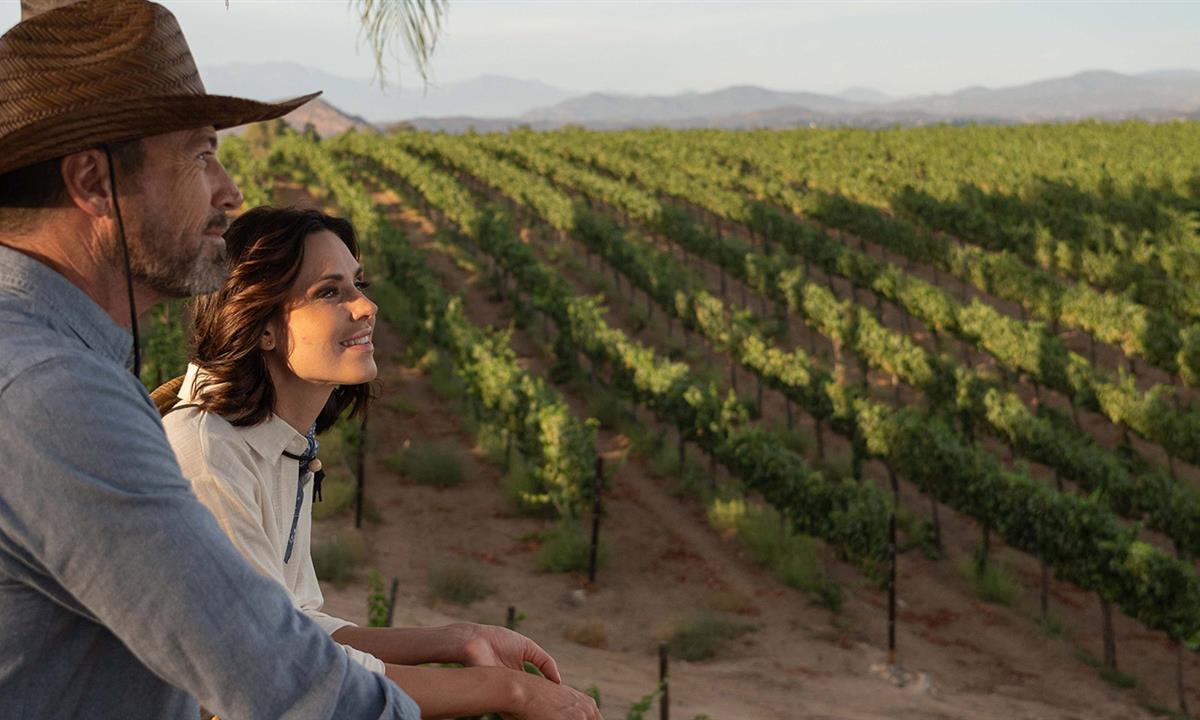
Hidden Gems in Temecula Wine Country: 15 Distinctive Local Finds
Temecula Wine Country rewards travelers who leave room for the places beyond its best-known tasting rooms.
Resort Information, Gatherings
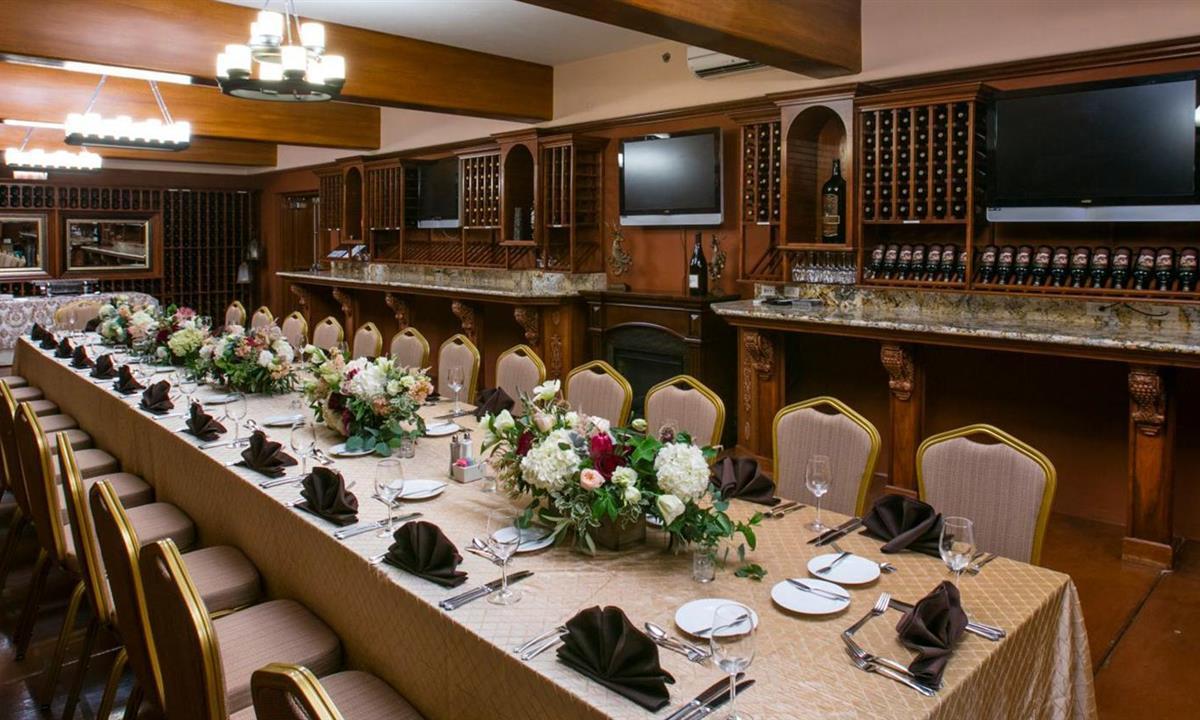
15 Corporate Retreat Planning Ideas for 2026
For your 2026 retreat, build around that goal with focused working sessions, shared meals, and enough downtime for conversations to unfold naturally.

Resort Information, Activities
How to Plan a Romantic Temecula Wine Tasting for Couples
Plan a romantic Temecula wine-tasting trip by limiting the number of stops, reserving the experiences that matter most and arranging transportation before the first pour.

Resort Information, Activities
15 Most Romantic Weekend Getaways from Los Angeles in 2026
Romantic weekend getaways from Los Angeles range from wine tasting in Temecula and oceanfront evenings in Santa Barbara to quiet Ojai retreats and mountain cabins in Idyllwild.
Resort Information, Gatherings
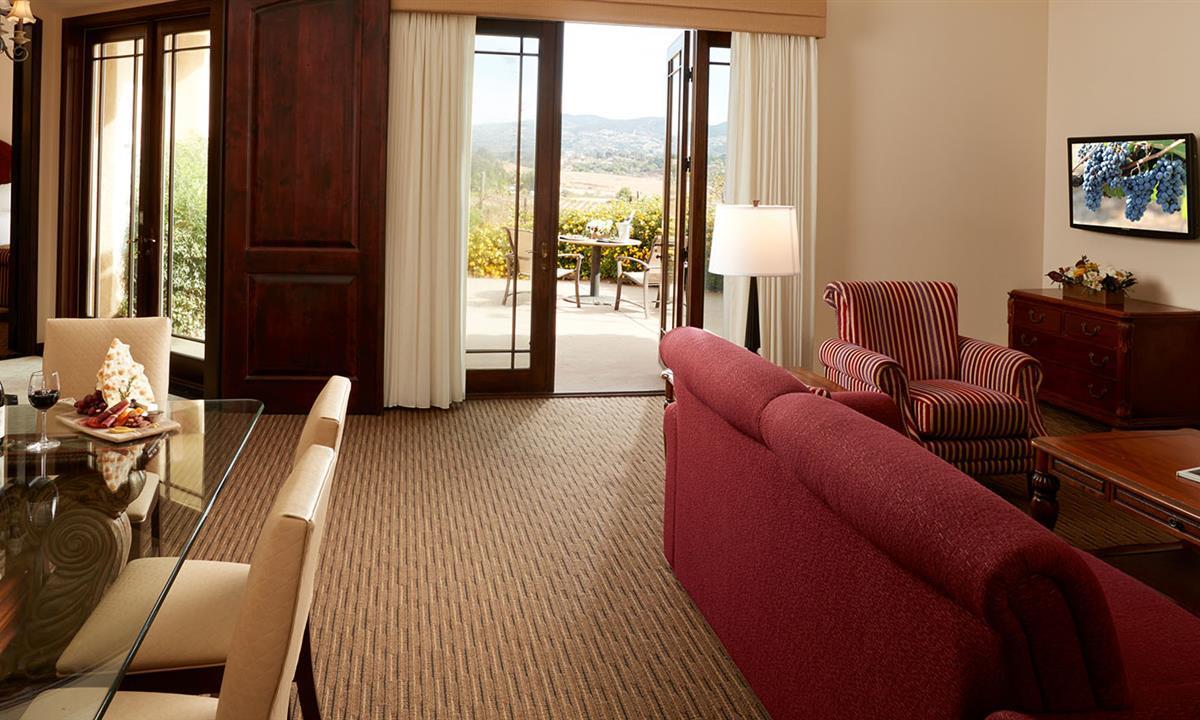
South Coast Winery FAQ: Reservations, Prices, Policies, Tips
Planning a visit to South Coast Winery Resort & Spa? Start with the experiences you want to enjoy, then arrange dining, spa appointments, and overnight accommodations around them.
Resort Information, Gatherings, Activities
How to Budget for a 100 Person Winery Wedding in Temecula
For a 100-person winery wedding in Temecula in 2026, a practical working budget is approximately $35,000 to $45,000. This is a planning range rather than a fixed local average.
Resort Information, Gatherings, Activities
15 Best Wine Country Corporate Retreat Venues in SoCal 2026
Southern California wine country gives teams space to focus without separating productive work from the experiences that make an offsite memorable.

Resort Information, Activities
Ultimate Temecula Valley Travel Guide 2026: Plan, Sip, Stay
Temecula Valley offers an easygoing wine country escape within reach of Southern California’s major cities.

Resort Information, Activities
The Ultimate Guide to Romantic Getaways in Temecula Wine Country for 2026
The best romantic getaway in Temecula pairs a comfortable vineyard stay with enough unhurried time to enjoy it.